
Mahdi Khalili
Business development | Marketing | Sales | Export
Mahdi Khalili
Business development | Marketing | Sales | ExportWhat kind of expertise and technical skills do foreign companies need to operate in different sectors of the Iranian economy ?
What kind of expertise and technical skills do foreign companies need to operate in different sectors of the Iranian economy (e.g. oil and gas, IT, construction)?
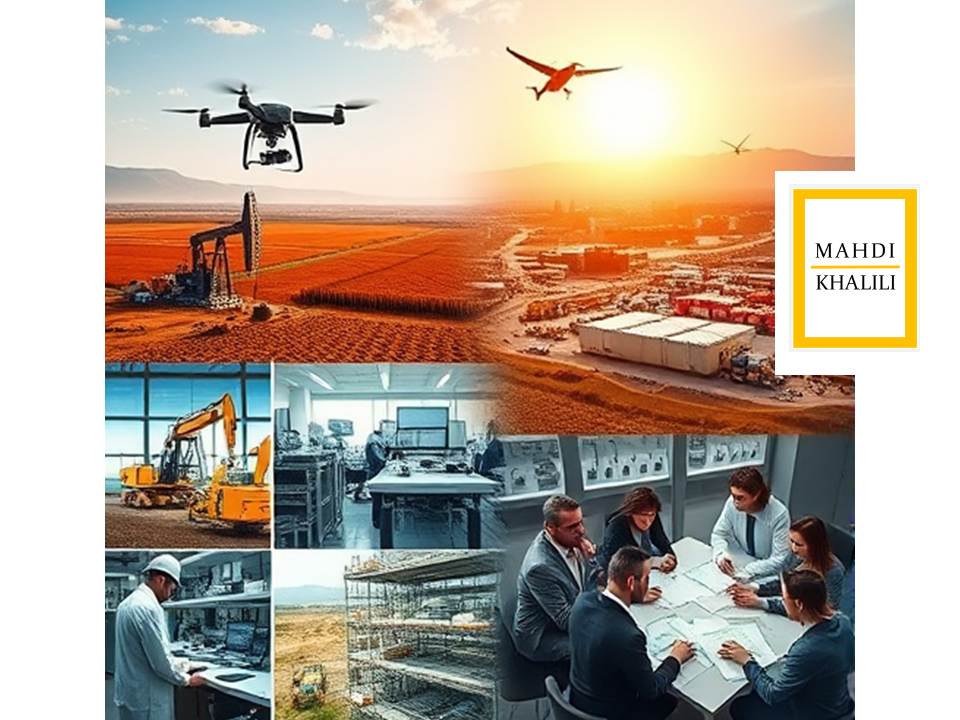
"As a specialist in Iranian market entry and business development, I advise foreign companies to carefully assess the specific technical skill requirements for each sector they intend to operate in. While general business acumen is important, success hinges on possessing or acquiring specialized technical expertise relevant to the Iranian context. Here's a sector-specific overview:
**1. Oil & Gas Sector:**
* **Reservoir Engineering:** Expertise in reservoir characterization, simulation, and optimization is crucial. This includes experience with Enhanced Oil Recovery (EOR) techniques suited to Iranian oil fields.
* **Drilling & Well Technology:** Advanced drilling techniques, well completion, and intervention skills are in high demand. Experience with challenging geological formations and mature oil fields is highly valued.
* **Process Engineering:** Process design, optimization, and troubleshooting skills are essential for operating refineries, petrochemical plants, and gas processing facilities. Expertise in safety and environmental regulations specific to Iran is necessary.
* **Pipeline Engineering & Integrity:** Design, construction, maintenance, and inspection of oil and gas pipelines are critical. Expertise in corrosion management and leak detection is highly sought after.
* **Project Management (Oil & Gas):** Managing large-scale oil and gas projects within budget and schedule requires specialized project management skills. This includes expertise in procurement, contract management, and risk assessment.
**2. Information Technology Sector:**
* **Cybersecurity:** With increasing reliance on digital infrastructure, cybersecurity expertise is in high demand. This includes skills in network security, data protection, and incident response.
* **Software Development (Localized Solutions):** Developing software solutions tailored to the Iranian market requires understanding local language, culture, and regulations. Expertise in mobile app development, e-commerce platforms, and enterprise software is valuable.
* **Data Analytics & Business Intelligence:** Extracting insights from data to improve business decision-making is crucial. Skills in data mining, machine learning, and data visualization are highly sought after.
* **Cloud Computing & Infrastructure:** Expertise in cloud computing technologies, infrastructure management, and data storage is essential for modernizing IT infrastructure.
* **Network Engineering:** Designing, implementing, and maintaining reliable and secure network infrastructure is critical for businesses of all sizes.
**3. Construction Sector:**
* **Civil Engineering (Earthquake Resistance):** Given Iran's seismic activity, expertise in earthquake-resistant design and construction is paramount.
* **Construction Management:** Managing construction projects within budget and schedule requires strong project management skills. This includes expertise in cost control, quality assurance, and safety management.
* **Sustainable Building Technologies:** With increasing focus on environmental sustainability, expertise in green building technologies, energy efficiency, and waste management is valuable.
* **Infrastructure Development:** Designing and constructing infrastructure projects such as roads, bridges, and tunnels requires specialized engineering skills.
* **MEP Engineering (Mechanical, Electrical, Plumbing):** Expertise in the design and installation of mechanical, electrical, and plumbing systems is essential for modern buildings.
**4. Food & Beverage:**
* **Food Processing & Packaging Technology:** Experts in modern food processing techniques, packaging materials, and food safety standards (HACCP, ISO 22000).
* **Agricultural Engineering & Biotechnology:** Specialists in crop optimization, irrigation systems, and the application of biotechnology to improve food production and quality.
* **Supply Chain Management & Cold Chain Logistics:** Experts in managing complex food supply chains, ensuring product quality and safety throughout the distribution process.
* **Food Science & Nutrition:** Specialists in food formulation, product development, and nutrition science, catering to local consumer preferences.
**5. Pharmaceuticals:**
* **Pharmaceutical Manufacturing & Quality Control:** Experts in GMP (Good Manufacturing Practice) standards, pharmaceutical formulation, and quality control procedures.
* **Drug Development & Clinical Research:** Specialists in drug discovery, clinical trial design, and regulatory affairs to bring new pharmaceutical products to market.
* **Biotechnology & Genetic Engineering:** Expertise in developing biopharmaceuticals, biosimilars, and gene therapies.
* **Pharmacovigilance & Drug Safety:** Specialists in monitoring drug safety, identifying adverse drug reactions, and ensuring compliance with pharmacovigilance regulations.
**General Considerations:**
* **Language Skills (Persian/Farsi):** While English is often used in business, proficiency in Persian (Farsi) is a significant advantage for communication and building relationships.
* **Cultural Sensitivity:** Understanding Iranian culture and business etiquette is crucial for building trust and fostering successful partnerships.
* **Adaptability & Problem-Solving:** The Iranian business environment can be challenging, requiring adaptability, resourcefulness, and problem-solving skills.
* **Localization & Adaptation:** All technologies and solutions should be adapted to local conditions, regulations, and cultural preferences.
* **Technology Transfer & Training:** Providing training and knowledge transfer to local personnel is essential for long-term sustainability.
* **Compliance & Ethical Practices:** Adhering to international standards for ethical business practices and compliance is crucial for maintaining a positive reputation.
By focusing on these sector-specific technical skills, foreign companies can significantly increase their chances of success in the Iranian market."
#IranTechSkills #IranianMarketEntry #OilAndGasIran #ConstructionTechIran #IranITSector #ForeignInvestmentIran #TechnicalExpertiseIran #BusinessDevelopmentIran #IranBusiness #IranEconomy #IranTech #IranIndustry #ForeignInvestmentIran #TechnicalExpertise #OilandGasIran #FoodTechIran #ITIran #PharmaIran #ConstructionIran #EngineeringIran #IranBusiness #TechTransfer #Localization #InnovationIran"
“What communication and negotiation skills are required to establish effective relationships with Iranian partners ,customers?”
Here's a breakdown of essential communication and negotiation skills needed for effective relationships with Iranian partners and clients, presented in a professional manner:
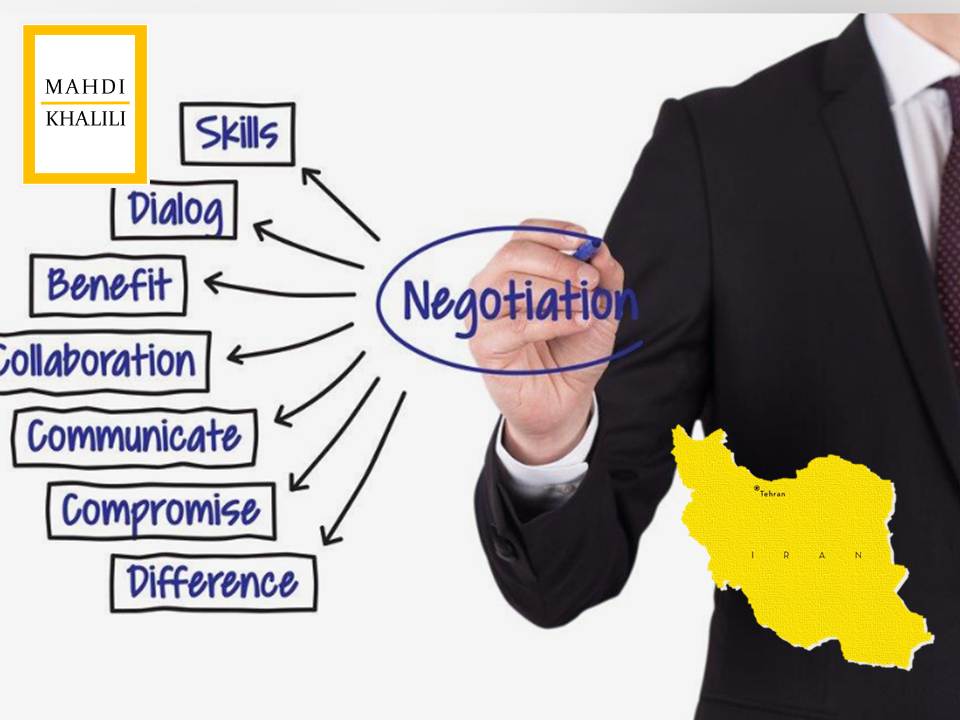
As a business specialist, I recommend focusing on these key communication and negotiation skills to build strong relationships with Iranian partners and customers:
**1. Cultural Sensitivity & Awareness:**
* **Understanding Iranian Culture:** Research and familiarize yourself with Iranian culture, customs, and business etiquette.
* **Respect for Hierarchy:** Recognize and respect the hierarchical structure in Iranian businesses. Address senior individuals appropriately.
* **Building Trust (Etemad):** Iranians place a high value on personal relationships. Invest time in building trust and rapport before diving into business discussions.
**2. Communication Skills:**
* **Active Listening:** Pay close attention to what your Iranian counterparts are saying, both verbally and nonverbally. Ask clarifying questions.
* **Clear and Concise Language:** Avoid using slang, jargon, or overly complex language. Ensure your message is easily understood.
* **Nonverbal Communication:** Be mindful of your body language, eye contact, and gestures. Some nonverbal cues may have different meanings in Iranian culture.
* **Patience:** Communication can sometimes take longer due to language differences or cultural nuances. Be patient and avoid rushing the process.
* **Translation & Interpretation:** Consider using professional translators or interpreters, especially for complex negotiations.
**3. Negotiation Skills:**
* **Relationship-Oriented Approach:** Focus on building a long-term, mutually beneficial relationship rather than solely on immediate gains.
* **Indirect Communication:** Iranians may use indirect communication styles, especially when addressing sensitive topics. Pay attention to implied meanings.
* **Flexibility & Compromise:** Be prepared to compromise and find solutions that meet the needs of both parties.
* **Patience:** Negotiation processes in Iran can be more time-consuming than in some Western cultures.
* **Use of "Taarof":** Be aware of the Iranian custom of "Taarof," which involves offering and declining gestures of politeness. Understand its purpose and how to respond appropriately.
* **Personal Connections (Pushteh):** Leverage existing personal connections or seek introductions through trusted intermediaries to build credibility.
**4. Language Skills:**
* **Basic Farsi (Persian):** Learning basic Farsi phrases can demonstrate respect and willingness to connect with your Iranian counterparts.
* **Clarity in English:** If conducting business in English, speak clearly and avoid using idioms or colloquialisms that may be difficult to understand.
**5. General Business Acumen:**
* **Understanding Iranian Business Practices:** Research the specific business practices and legal frameworks relevant to your industry in Iran.
* **Adaptability:** Be prepared to adapt your business strategies and approaches to align with the Iranian market.
* **Cultural Empathy:** Show genuine empathy and understanding for the challenges and opportunities faced by your Iranian partners.
**Professional Hashtags:**
* #CrossCulturalCommunicationIran
* #InternationalBusinessIran
* #NegotiationSkillsIranMahdikhalili
* #CulturalIntelligence
* #IranBusiness
* #GlobalPartnerships
* #RelationshipBuilding
* #BusinessEtiquette
* #FarsiIran
* #MiddleEastBusiness
By focusing on these skills, you can build stronger, more effective relationships with Iranian partners and clients, leading to successful and sustainable business outcomes.
Market Entry Strategies for Iran Post-Sanctions
**Market Entry Strategies for Iran Post-Sanctions**
Mahdi khalili
`Business development, sales, negotiation`
After sanctions are lifted, foreign companies have several options to enter the Iranian market. The best strategy depends on factors like the company's risk tolerance, investment capital, industry, and long-term goals. Here are some strategies to consider:

1. **Joint Ventures with Iranian Companies:** This is often the most practical and favored approach.
* **Description:** Partnering with a local Iranian company allows you to leverage their existing market knowledge, distribution networks, regulatory expertise, and established relationships. This reduces risk and speeds up market entry.
* **Example:** A European automotive manufacturer could form a joint venture with an Iranian auto company to produce vehicles locally, taking advantage of the Iranian partner's assembly facilities and market access.
* **Benefits:** Lower initial investment, access to local knowledge, risk sharing, compliance with local regulations.
* **Challenges:** Finding the right partner, potential conflicts of interest, ensuring technology transfer, navigating cultural differences.
2. **Licensing/Franchising:** This allows foreign companies to enter the market with minimal capital investment.
* **Description:** Granting an Iranian company the right to produce and sell your products or services under your brand name.
* **Example:** A fast-food chain could franchise its brand to an Iranian operator, who would then establish and manage the restaurants.
* **Benefits:** Low capital expenditure, rapid market expansion, royalty income.
* **Challenges:** Maintaining brand control, ensuring quality standards, dependence on the licensee/franchisee.
3. **Exporting:** A straightforward approach, but may face challenges due to tariffs and non-tariff barriers.
* **Description:** Selling goods directly to Iranian importers or distributors.
* **Example:** A foreign chemical company could export specialty chemicals to Iranian manufacturers.
* **Benefits:** Minimal investment, low risk, quick market access.
* **Challenges:** Tariffs, import restrictions, currency fluctuations, competition from local manufacturers.
4. **Establishing a Branch Office:** Suitable for companies seeking greater control and direct involvement.
* **Description:** Setting up a branch office in Iran to manage sales, marketing, and customer service.
* **Example:** A foreign engineering firm could establish a branch office to provide technical support and project management services to Iranian clients.
* **Benefits:** Direct control, closer customer relationships, enhanced brand presence.
* **Challenges:** Higher investment, complex regulatory requirements, managing local staff.
5. **Direct Investment (FDI):** Establishing a wholly-owned subsidiary in Iran.
* **Description:** This involves setting up a company fully owned and controlled by the foreign investor.
* **Example:** A multinational pharmaceutical company could build a manufacturing plant in Iran to produce drugs for the local market and potentially for export to neighboring countries.
* **Benefits:** Full control, access to resources, long-term commitment.
* **Challenges:** High capital investment, significant regulatory hurdles, managing all aspects of the business.
**Key Considerations for Success:**
* **Due Diligence:** Thoroughly research the Iranian market, legal environment, and potential partners.
* **Cultural Sensitivity:** Understand and respect Iranian culture and business practices.
* **Compliance:** Ensure compliance with all applicable sanctions and regulations.
* **Patience:** Building relationships and navigating the Iranian market can take time.
* **Legal Counsel:** Engage experienced legal counsel to advise on regulatory matters and contract negotiations.
#IranMarketEntry #JointVenture #StrategicPartnership #IranBusiness #PostSanctions
#LicensingAgreement #FranchiseOpportunity #IranMarket #BrandExpansion #BusinessDevelopment
#ExportToIran #InternationalTrade #GlobalBusiness #TradeCompliance
#ForeignDirectInvestment #FDIinIran #WhollyOwnedSubsidiary #Manufacturing #EconomicGrowth #mahdikhalili #negotiation